Priority Service — Limited Spots | Call Now (650) 264-7781

School & Community Turf in Redwood City, CA
A shared outdoor space can have a different purpose every hour.
Students may gather before class. Children may play during a break. A community group may use the area later. Maintenance teams may need access after everyone leaves.
The surface has to fit that pattern of use.
Redwood City Artificial Grass helps evaluate school and community turf installation in Redwood City, CA for suitable recreation, gathering, and shared-use spaces.
Our artificial grass installation services in Redwood City can be planned around the users, activities, site conditions, and responsibilities associated with the property.
Begin With the People Using the Space
A useful project discussion should establish:
- Age groups
- Expected number of users
- Types of activities
- Daily schedule
- Public access
- Maintenance responsibility
- Existing site limitations
These details influence the surface design.
A decorative courtyard, sports practice area, and playground should not automatically receive the same system.

Signs You Need This Service
- Natural grass fields are worn out from constant use.
- Heavy rain causes muddy, unsafe conditions.
- Your facility lacks a reliable all‑weather surface for sports and play.
- You want to reduce maintenance costs and water usage.
Our Installation Process
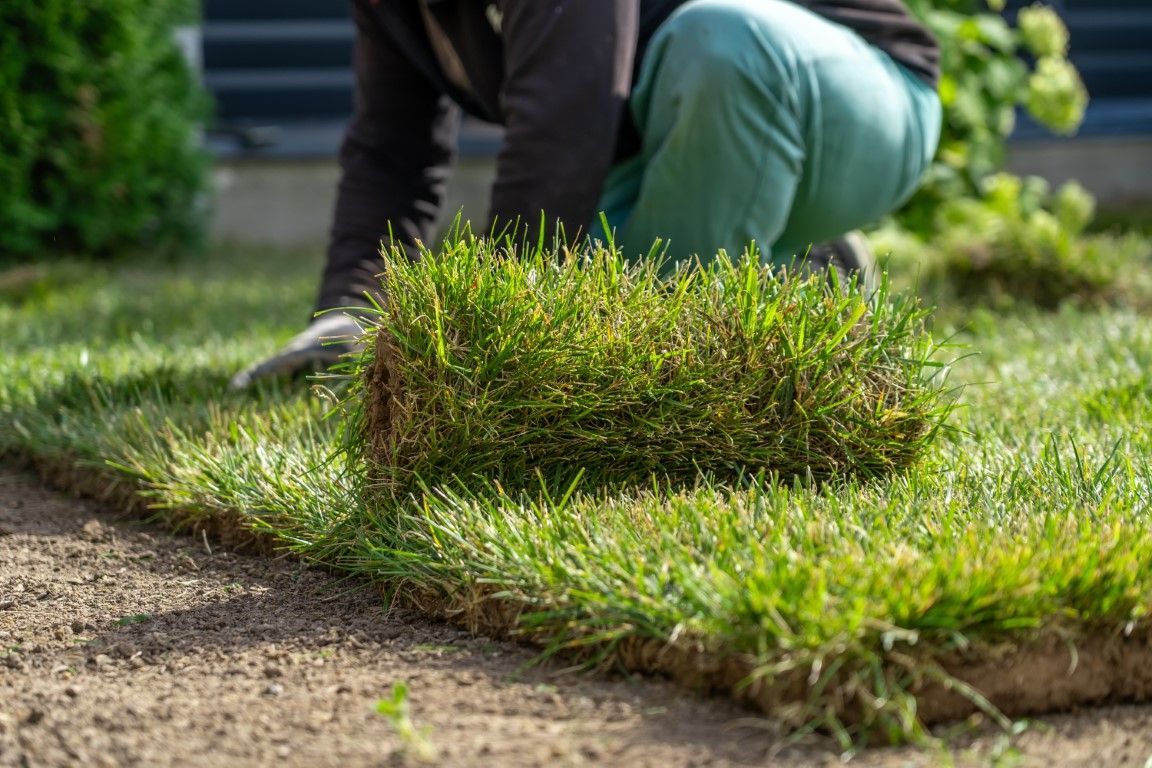
- Assessment & planning: We evaluate soil conditions, drainage needs and site usage.
- Base & shock pad installation: We install a stable base and impact‑attenuating pad.
- Turf installation: We lay and seam turf, add infill and mark field lines.
- After‑installation training: We provide guidelines for maintaining the field and scheduling periodic grooming.
School Gathering Areas
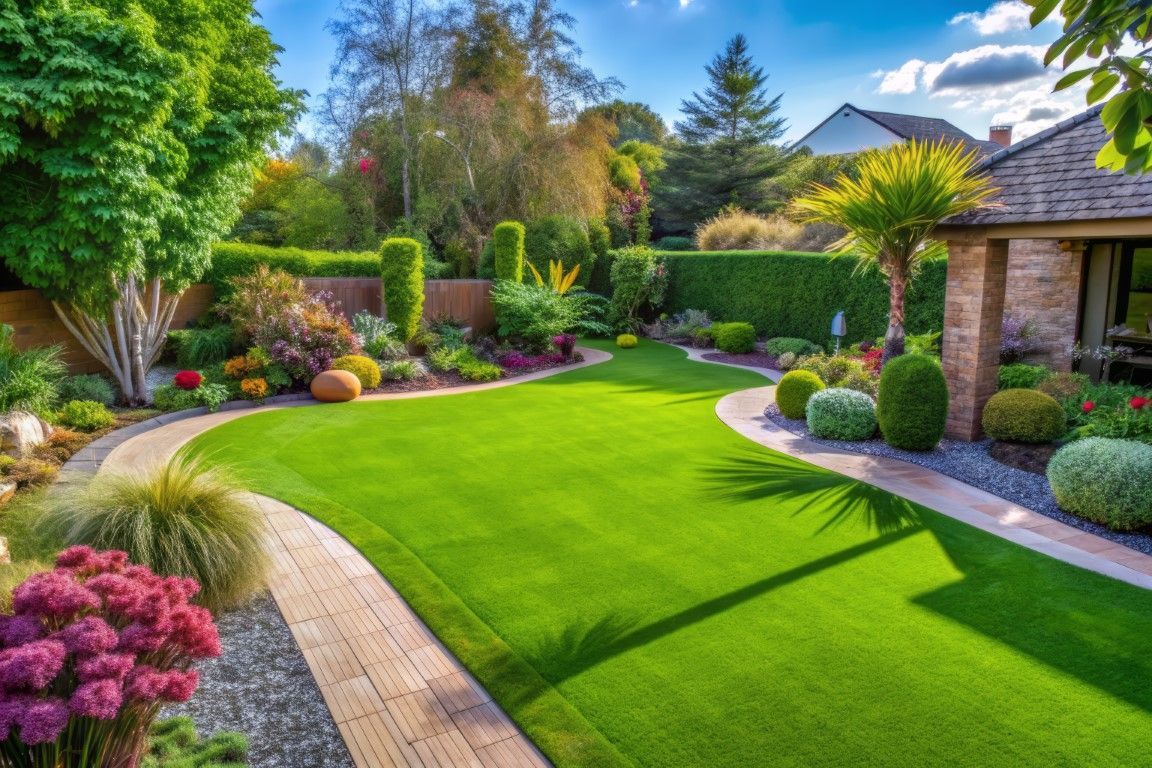
Some school outdoor spaces are used for:
- Outdoor lessons
- Group activities
- Informal recreation
- Assemblies
- Seating
- General play
A flexible layout may be more useful than permanent markings designed around one activity.
Community Recreation Spaces
A community area may serve people with different needs.
Planning should consider:
- Circulation
- Seating
- Open space
- Shade
- Drainage
- Accessibility
- Maintenance access
The finished area should be useful to the people who actually visit it.
Playground Turf and Fall Protection
Turf installed beneath elevated play equipment may need a specifically designed impact-attenuating system.
Artificial grass alone does not establish compliant fall protection.
The complete assembly—including any required cushioning and its tested performance—must be evaluated for the intended equipment and applicable requirements.
Do not treat ordinary decorative turf as a certified playground safety surface.
Athletic Fields Are a Separate Category
Organized sports may introduce requirements involving:
- Surface performance
- Dimensions
- Markings
- Infill
- Drainage
- Maintenance
Those needs differ from a general school gathering lawn.
Our sports turf and recreation service addresses athletic-use planning in greater detail.
Accessibility
Public and shared-use projects may have applicable accessibility requirements.
Design should account for routes, transitions, entrances, and intended activities.
Installing synthetic grass does not automatically establish accessibility compliance.
Heat Management
Artificial turf can become hot under direct sunlight.
For school and community use, planning should consider:
- Shade
- Surface-temperature checks
- Water access
- Activity timing
- Alternative surfaces
A green appearance does not establish safe conditions for every time of day.
Shared-Use Maintenance
When many people use one surface, maintenance responsibility needs to be clear.
The plan may include:
- Litter collection
- Grooming
- Spot cleaning
- Seam inspection
- Edge checks
- Infill care where applicable
- Repairs
A surface should not be opened for use without understanding how it will be maintained.
Connecting Different Activity Areas
Some projects include gathering space, sports areas, and decorative turf within one property.
Review our artificial grass services when planning several outdoor zones that require different turf systems but need to function as one connected site.
That approach helps avoid selecting a single product simply because all the areas appear green in the design.
Drainage and Site Preparation
School and community properties may have:
- Adjacent pavement
- Existing drains
- Slopes
- Heavy-use entrances
- Areas of settlement
The supporting system should be evaluated for the actual conditions.
Construction Scheduling
Installation may need to account for:
- School calendars
- Events
- Public access
- Deliveries
- Temporary closures
- Equipment movement
The work plan should reflect the facility's operating schedule.
School & Community Turf Cost
Pricing depends on:
- Area
- Intended use
- Turf system
- Base preparation
- Drainage
- Accessibility considerations
- Existing-surface removal
- Markings
- Site access
- Required testing or documentation
A specialized playground surface should not be priced as though it were a decorative lawn.
School & Community FAQs
Can artificial grass be used at schools?
Yes, when the system is appropriate for the intended use and applicable requirements.
Is ordinary turf suitable beneath playground equipment?
Not automatically. Fall-protection requirements may call for a specialized tested system.
Can one space serve multiple activities?
Potentially, with planning around the different uses.
Is synthetic turf maintenance-free?
No. Shared-use surfaces need regular care and inspection.
Does turf automatically meet accessibility requirements?
No. Compliance depends on the complete project.
Can artificial grass become too hot for play?
Yes. Surface temperature should be considered during use.
Can installation be scheduled during a school break?
That depends on scope, approvals, access, and scheduling.
Design for the People Who Share the Space
Call (650) 264-7781 to discuss school and community turf in Redwood City, CA. Tell us who will use the area, what activities it must support, and what property requirements apply.